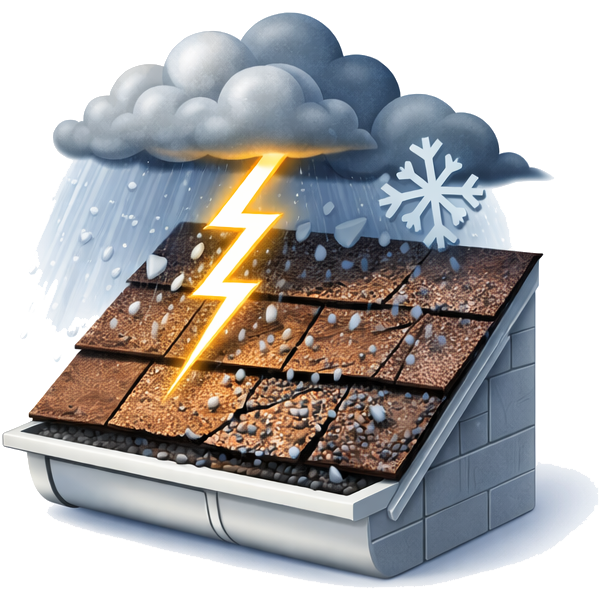
Extreme weather can increase the shedding of granules. The causes may be heavy rain, strong wind, hail, or just excessive exposure to the sun for the long term. The force of hail can cause larger granules to displace more noticeably than rain, wind or sun.

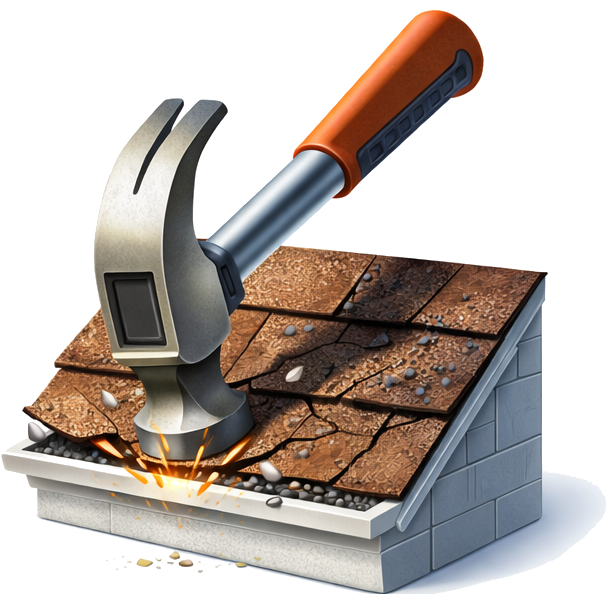
The movement of people on the roof, typical maintenance services, or falling debris can all cause granules to loosen physically. Even slight scratches on the shingle layer can impair the performance of shingles, leading to faster granule loss.

All shingles are not built the same. Poor-quality shingles do not have as many granules compared to the good-quality ones and also have a weaker adhesive bond. The adhesive bond on these shingles is also weakened, thus increasing the chance of early granule shedding. It is necessary that you buy durable and good-quality shingles to prevent granule loss.

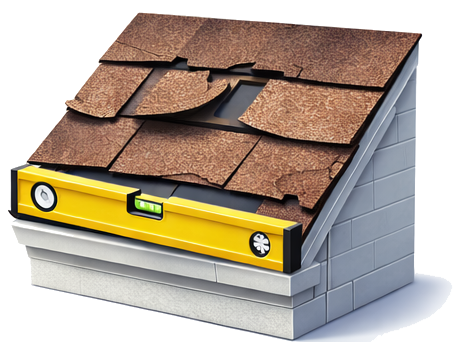
Shingles that are not installed properly or out of alignment can lead to premature shedding of granules. If the nails are not installed properly, then the shingles are more prone to losing granules.

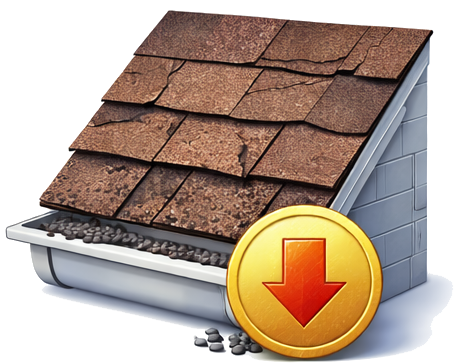
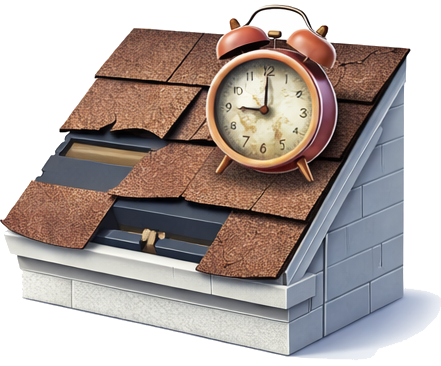
Shingles wear out over time. The older the shingles get, the less the adhesive binds the granules to the shingles, which is why the granules slowly shed over time from the shingles.

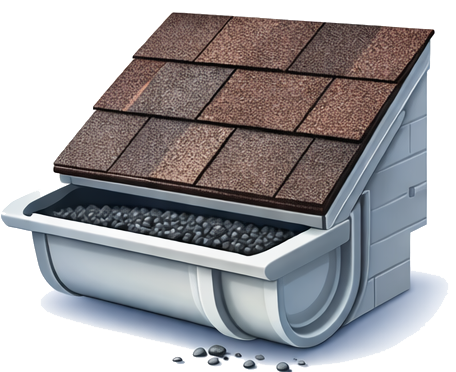
The most common sign of granule loss is spotting little sand-like particles in your gutters.

Shingles may show signs of fading or dullness in areas where no granules are present.

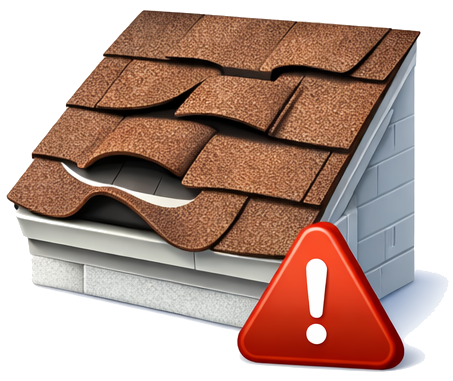
Loss of granule means shingles will be easier to curl at the edges.
It is important to identify loss of granule, because once shingles have lost the majority of their granule, they can prove less effective in protecting the roof from element damage.
Let’s make your home stronger, safer, and more beautiful — together.
Need Help? Call us!