What is an EPDM Roofing System? (Everything You Need to Know)
EPDM (Ethylene Propylene Diene Monomer) roofing is exceptionally reliable and also favored by many modern
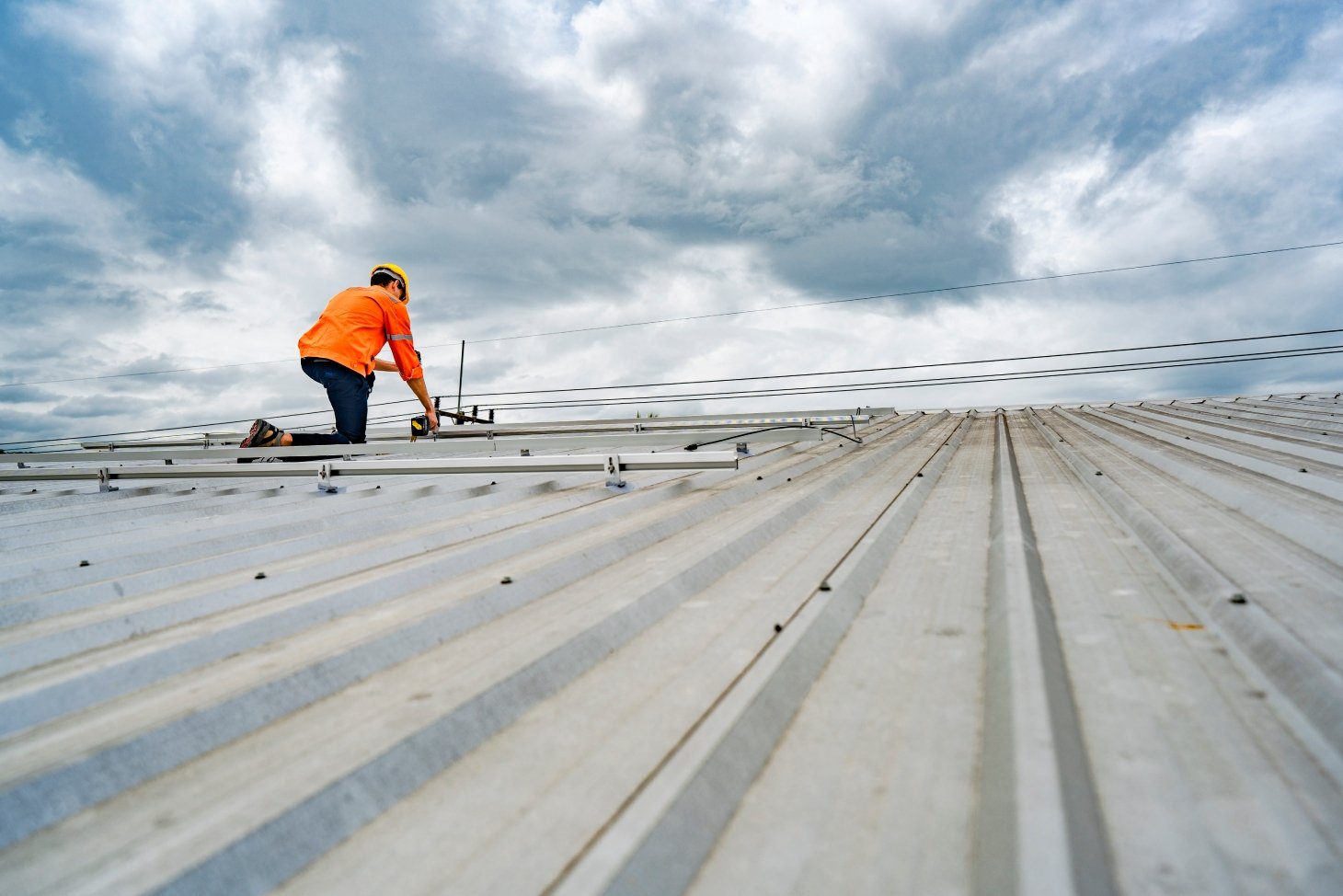
Commercial roofing in Bronxville includes more than large industrial buildings. The village has storefronts, offices, mixed-use properties, institutional buildings, churches, schools, and apartment-style structures that often rely on flat or low-slope roofing. These systems need different installation and maintenance than steep-slope residential roofs because drainage, seams, penetrations, rooftop equipment, and flashing are the key performance points.
Meridian Contracting provides commercial roofing throughout Bronxville and the Lower Hudson Valley. Our team understands the village's mix of historic architecture, tight access, mature trees, and seasonal weather, and we plan each job around the home, the property, and the long-term performance of the exterior system.
Explore the work we offer.
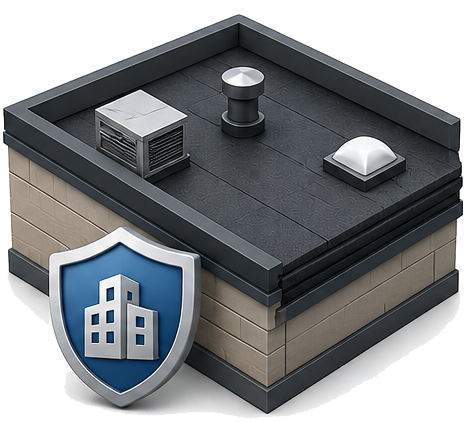
Repair for punctures, open seams, ponding areas, flashing failures, drainage problems, and roof penetrations.
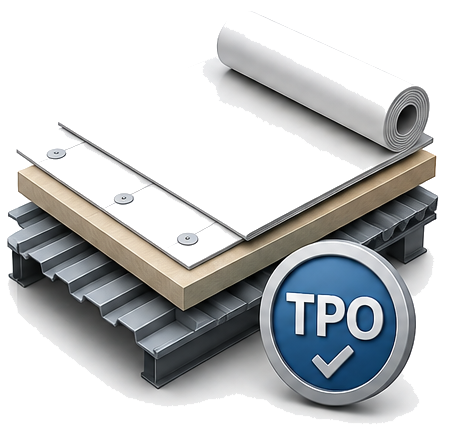
Energy-conscious single-ply roofing option used on many modern commercial and low-slope roof systems.
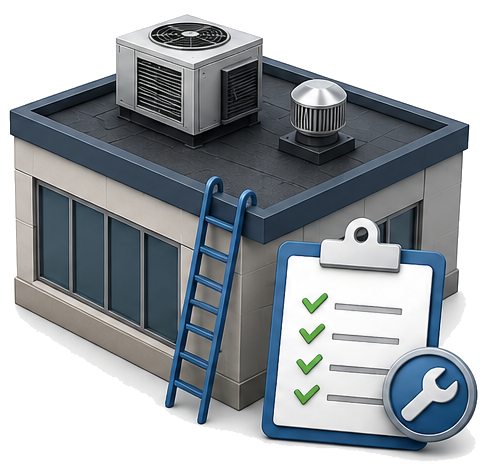
Documented inspections to identify seam issues, drainage concerns, flashing problems, and maintenance needs before leaks interrupt operations.
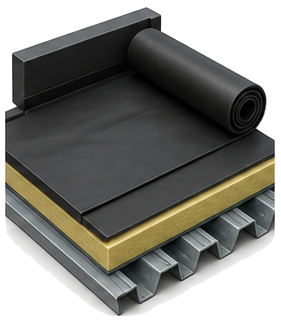
Rubber membrane roofing suitable for many flat roof applications when installed and maintained properly.
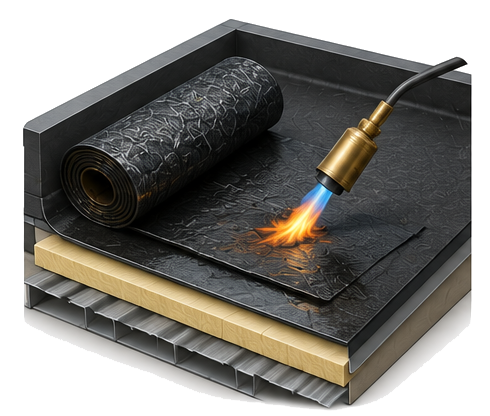
Multi-layer flat roofing option often used where durability and proven performance are priorities.
EPDM (Ethylene Propylene Diene Monomer) roofing is exceptionally reliable and also favored by many modern
Your business roof protects your building, goods, and employees from the elements and the structural
Ensure the safety of your commercial property by regular roof inspections. Business owners often overlook
Build a strong roofing solution with TPO roofing, a single layer for covering flat roofs.
Want to protect buildings from natural hazards? Consider a modified roofing system, then.
We work with flat and low-slope systems including TPO, EPDM, modified bitumen, and related repair and maintenance details.
Yes. We inspect seams, flashing, drains, penetrations, ponding areas, and membrane damage to identify the source.
At least once a year and after major storms. Regular inspections help catch small issues before they interrupt business operations.
Yes. We plan access and staging to reduce disruption whenever possible.
Poor slope, clogged drains, compressed insulation, low areas, or drainage design problems can all lead to ponding.
With a nationwide footprint and a commitment to excellence, we proudly support families across the United States—helping them build, improve, and maintain the places they call home.
"*" indicates required fields