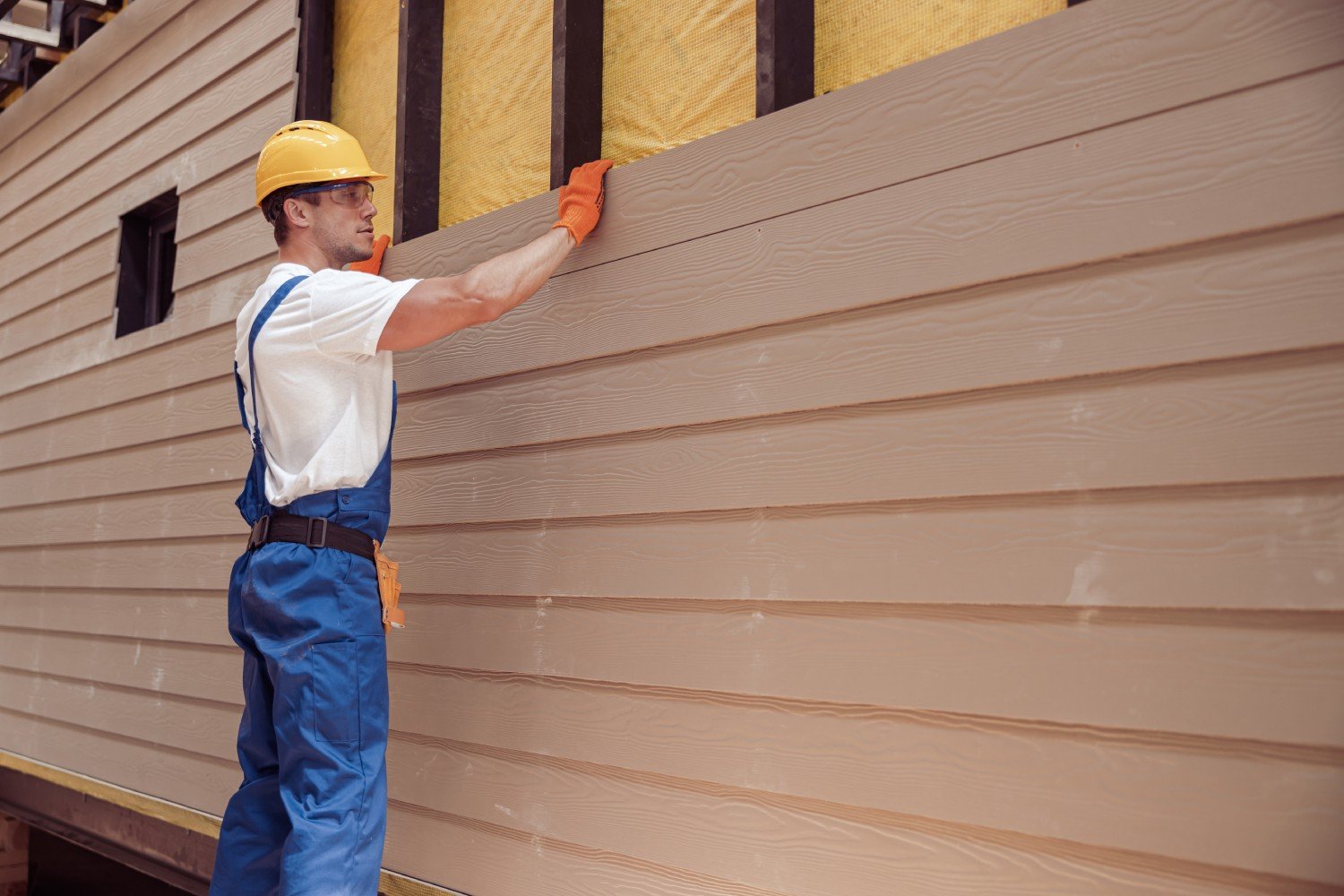
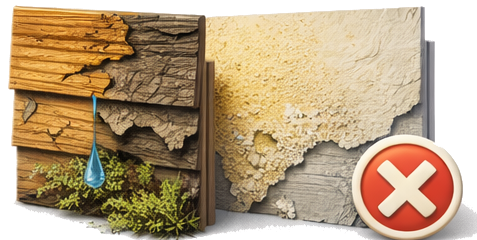

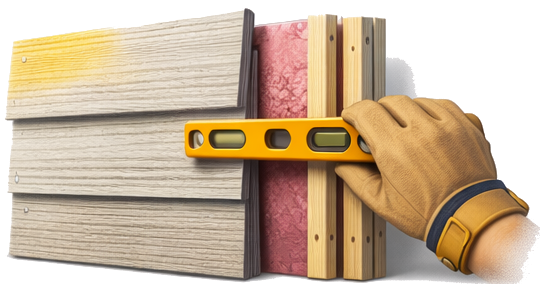
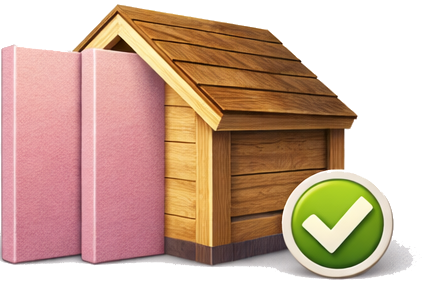
Rigid foam or foam board remains light and battles heat flow. It works well behind LP siding, engineered wood siding, or vinyl siding. It even slashes air leakage and keeps siding from cupping.
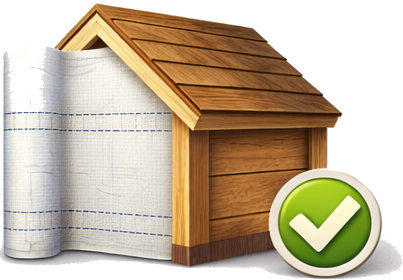
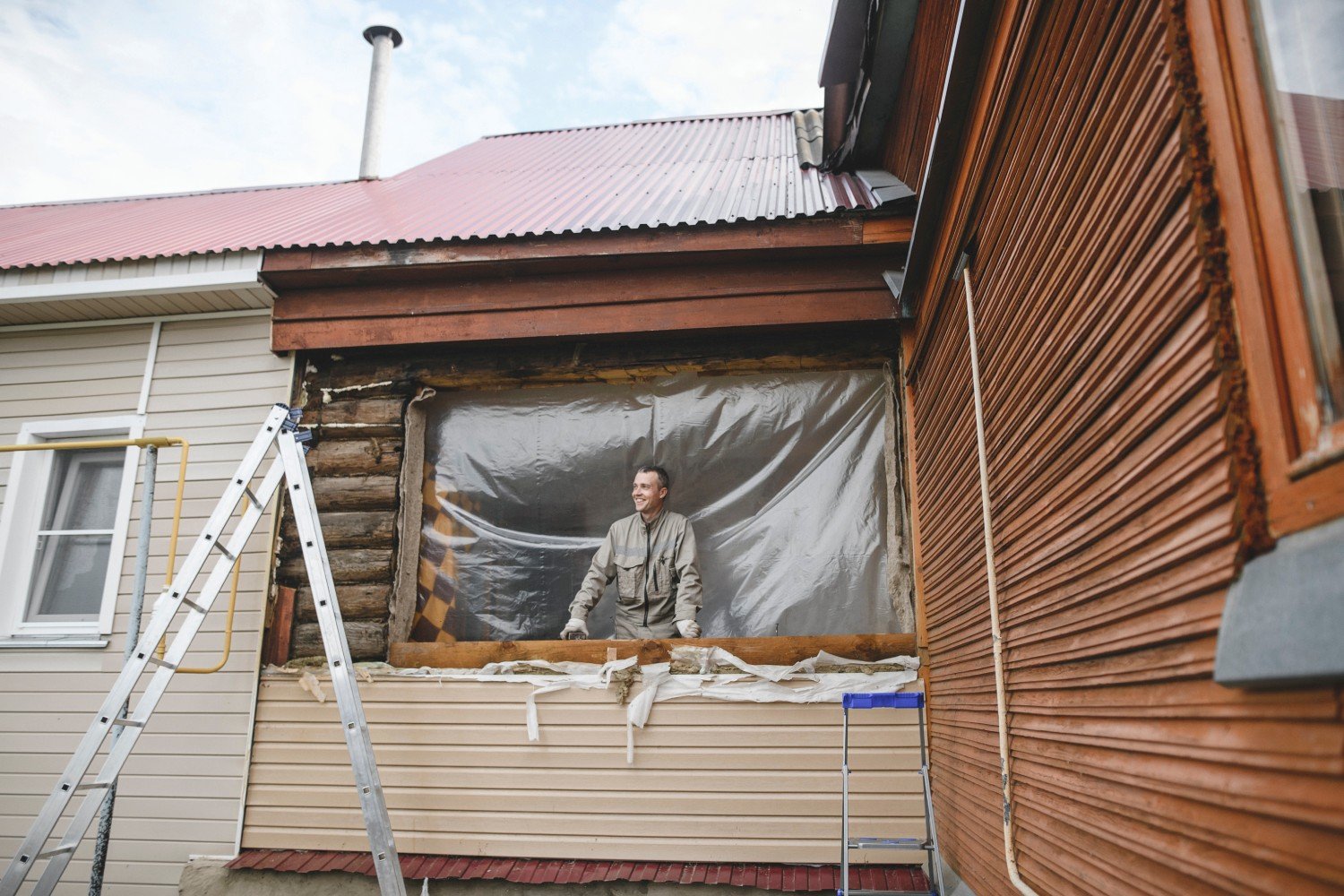
House wrap drains rain and moist air from walls. It works great on wood-sided homes since it prevents water from penetrating behind paint or stain.
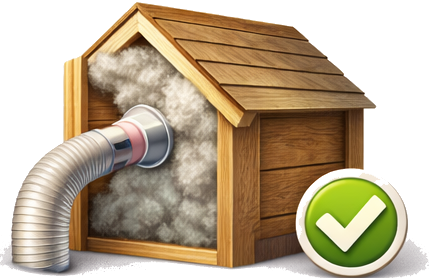
Unless it's blown into the walls, blown-in insulation is installed during siding installation. It works best in older homes with stucco or wood siding, where energy loss usually happens.

Spray foam insulates extremely well and closes air with a high R-value. Although expensive, it works fantastically with fiber cement siding or James Hardie siding because it makes walls hard and prevents drafts.
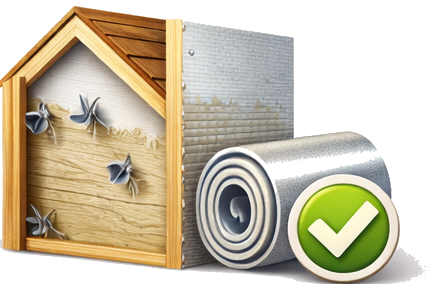
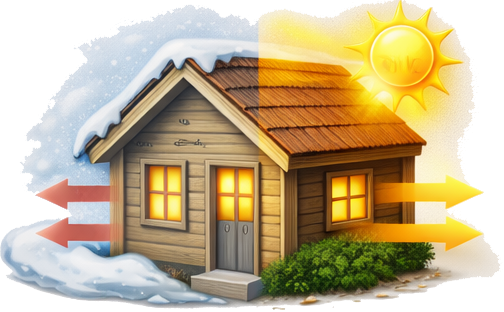
Metal roofs, flat roofs, and tile roofs experience issues with excessive heat gain in houses. Radiant heat is bounced back by foil-faced insulation and conditions in the interior space.